Source Tractor-Mounted Hedge Trimmer for Lawn, Road, and Farm
Find 30 tractor-mounted and electric hedge trimmer options for common lawn, road, and farm applications. Compare models like HT150 and PLE-1850, featuring petrol or electric power sources, hydraulic systems, and CE certification for efficient vegetation management; compare the available evidence and request quotations based on your requirements.
Key considerations
Products List




Comprehensive Sourcing Guide
Hedge Trimmer Sourcing Guide
Sourcing the right hedge trimmer requires a clear understanding of the diverse power sources and mounting configurations available in the current market. Buyers must first distinguish between electric, petrol, and tractor-mounted variants, as each serves distinct operational environments. Electric models, often featuring high-capacity batteries such as 80ah units, are ideal for indoor workshops or quiet garden settings where noise and emissions are concerns. In contrast, petrol-powered units provide the autonomy needed for large-scale agricultural or landscaping projects, while tractor-mounted systems offer high-efficiency solutions for extensive common lawn maintenance.
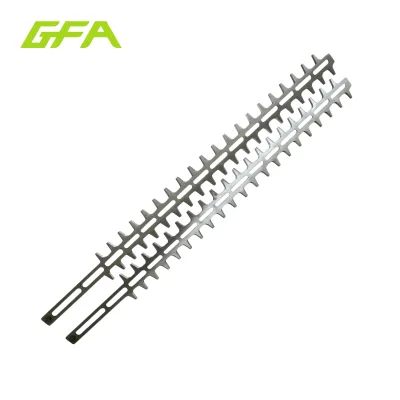
The decision matrix also hinges on the specific cutting width and blade configuration required for the intended workload. Listings indicate cutting widths ranging from 1500mm to 1800mm, with some models supporting up to 2300mm in specialized configurations. Buyers should evaluate whether a single-blade or multi-blade setup is necessary, noting that some units feature 18 to 21 blades to handle branches with diameters up to 30mm. Understanding these mechanical differences ensures that the selected equipment matches the physical demands of the job site, preventing premature wear and ensuring optimal cutting performance across various vegetation types.
Product Scope and Observed Listing Signals
The current market presents a wide spectrum of hedge trimmer listings, with observed prices ranging from approximately $11.2 to $24,000 USD. This vast disparity reflects the difference between handheld electric tools and heavy-duty, fully hydraulic tractor-mounted or excavator-attached systems. Minimum order quantities (MOQ) typically range from 1 to 500 units, indicating that suppliers cater to both individual contractors and large-scale distributors. Buyers should note that customization is widely available, allowing for tailored specifications that align with specific regional regulations or operational preferences, which can significantly impact the final unit cost and lead time.
Listing signals also reveal a strong emphasis on hydraulic systems and specific power outputs. Many high-end models boast unique selling points such as a fully hydraulic system, which enhances control and durability under heavy loads. Power sources vary from gasoline engines to electric drives, with some units requiring specific oil flow rates, such as 20L/Min, to operate effectively. Additionally, the weight of the equipment varies considerably, from lightweight 65kg units to heavier 270kg tractor attachments. These signals help buyers quickly filter listings based on their existing machinery compatibility, such as matching a 25-40HP tractor or a 1.5-5ton excavator, ensuring seamless integration into their current fleet.
Technical Specifications to Verify
When evaluating technical specifications, buyers must verify the compatibility of the power source with their existing infrastructure. For tractor-mounted units, confirming the required horsepower, typically between 25-40HP, is critical to ensure the tractor can handle the load without strain. Similarly, for hydraulic systems, verifying the oil flow rate and pressure vessel specifications is essential to prevent operational failures. Buyers should also check the tilting range of the cutter bar, with some models offering a 270-degree tilt, which provides superior maneuverability around complex terrain and obstacles, enhancing overall efficiency during large-scale trimming operations.
Blade specifications and cutting capacity are equally important factors that dictate the tool’s effectiveness. Verify the number of blades, which can range from 18 to 21 pieces, and ensure the cutting diameter matches the thickness of the vegetation being processed, typically up to 3cm for standard models. The maximum blade speed, often around 540 RPM, and forward speed, such as 6.4 km/h, should be assessed against the desired pace of work. Additionally, confirm the drive type, whether electric or mechanical, and the brake system, as these components directly influence safety and control, especially when operating on slopes up to 30 degrees.
Compliance and Safety Documentation
Compliance with regional safety standards is non-negotiable when importing industrial-grade hedge trimmers. Buyers must ensure that all products carry valid CE certification, which indicates adherence to European health, safety, and environmental protection standards. This certification is particularly crucial for machinery involving high-speed blades and hydraulic systems, as it verifies that the equipment has undergone rigorous testing for mechanical integrity and operator safety. Without proper certification, buyers risk facing customs delays, legal liabilities, or the inability to operate the machinery in regulated markets, making documentation verification a primary step in the sourcing process.
Beyond certification, buyers should request machinery test reports and warranty documentation to assess long-term reliability. A standard one-year warranty is commonly offered, but the terms should be clearly defined, covering core components such as the engine, motor, and pressure vessel. Buyers must also verify the availability of spare parts, particularly blades and hydraulic seals, to minimize downtime during maintenance. Ensuring that the supplier provides comprehensive user manuals and safety guidelines is equally important, as these documents outline proper operating procedures, reducing the risk of accidents and extending the lifespan of the equipment through correct usage.
Cost Drivers and Commercial Terms
Several key factors influence the total cost of ownership for hedge trimmers, including power source, material quality, and packaging. Petrol and hydraulic models generally command higher prices due to their complex engineering and durability, while electric options may be more cost-effective for smaller-scale applications. Packaging also plays a role, with iron pallets and wooden boxes offering different levels of protection during transit, which can affect shipping costs and potential damage risks. Buyers should negotiate clearly on these terms, ensuring that the quoted price includes all necessary accessories and that any customization fees are transparently listed to avoid hidden costs.
Commercial terms such as MOQ and lead times significantly impact procurement planning. While some suppliers offer low MOQs of just one unit, bulk orders may require up to 500 units, which can lock in better pricing but increase inventory holding costs. Buyers must also consider the origin of the product, with many units originating from China, which can offer competitive manufacturing costs but may involve longer shipping times. It is advisable to clarify payment terms, return policies, and after-sales support structures upfront, ensuring that the financial commitment aligns with the expected operational lifespan and maintenance requirements of the hedge trimmer.
Supplier Qualification and Quality Control
Selecting a qualified supplier requires a thorough vetting of their manufacturing capabilities and quality control processes. Buyers should prioritize suppliers who provide machinery test reports and have a proven track record in producing hydraulic and electric cutting equipment. Verifying the supplier’s ability to handle core components like engines and motors is essential, as these are critical to the machine’s performance. Additionally, assessing the supplier’s responsiveness to customization requests can indicate their flexibility and commitment to meeting specific buyer requirements, ensuring that the final product aligns with operational needs and regulatory standards.
Quality control measures should be explicitly defined in the purchase agreement, including pre-shipment inspections and defect resolution protocols. Buyers must ensure that the supplier adheres to consistent manufacturing standards, such as the 1800mm or 1500mm cutting width specifications, to maintain uniformity across ordered units. It is also important to verify the supplier’s capacity to handle different product types, from high-pole trimmers to wood chipping attachments, indicating a broad technical expertise. Establishing a clear communication channel for addressing quality issues promptly can prevent costly delays and ensure that the supplied hedge trimmers meet the expected performance and safety benchmarks.
Long-Term Procurement Checks
Long-term procurement success depends on establishing a reliable supply chain that supports ongoing maintenance and operational efficiency. Buyers should regularly review supplier performance metrics, including delivery times, product consistency, and after-sales support responsiveness. Maintaining a relationship with suppliers who offer comprehensive warranty services and readily available spare parts is crucial for minimizing downtime. Additionally, staying informed about updates in safety regulations and technological advancements in hedge trimmer design allows buyers to make informed decisions about future upgrades or replacements, ensuring that their fleet remains competitive and compliant with industry standards.
Continuous evaluation of the total cost of ownership, including energy consumption, maintenance frequency, and repair costs, is essential for optimizing procurement strategies. Buyers should monitor the performance of different power sources, such as electric versus petrol, to determine which offers the best balance of efficiency and cost-effectiveness for their specific use cases. Engaging in periodic supplier audits and feedback sessions can help identify areas for improvement and foster a collaborative partnership. By focusing on these long-term checks, buyers can ensure that their hedge trimmer procurement strategy supports sustainable growth and operational excellence over time.
FAQs
What power sources are available for tractor-mounted hedge trimmers?
Tractor-mounted hedge trimmers typically use petrol or gasoline engines as their primary power source. This design allows the equipment to draw hydraulic power from the tractor while the engine drives the cutting mechanism. This configuration ensures high efficiency and low cost for common lawn maintenance tasks without requiring external electricity.
Which specifications define the cutting width of these machines?
The cutting width is available in 1500mm and 1800mm options. The standard model features a cutter width of 1800mm with a cutting diameter of 2-3cm. These dimensions allow for efficient trimming of hedges and branches with diameters up to 30mm, making them suitable for various agricultural and landscaping applications.
Can these hedge trimmers be customized for specific needs?
Yes, customization is available for these hedge trimmers. Buyers can request specific modifications to suit their operational requirements. The product supports various configurations, including different blade counts of 18 or 21 pieces. This flexibility ensures that the machinery can be adapted to specific tractor models and field conditions effectively.
What certifications do these hedge trimmers hold?
These hedge trimmers hold CE certification, ensuring compliance with European safety and quality standards. This certification indicates that the machinery meets rigorous regulatory requirements for performance and safety. Buyers can rely on this certification for import and usage in regions that mandate CE marking for agricultural and industrial equipment.
How much does a tractor-mounted hedge trimmer weigh?
The weight of the tractor-mounted hedge trimmer is approximately 270kg. This substantial weight provides stability during operation on slopes up to 30 degrees. The heavy-duty construction supports the full hydraulic system and ensures consistent performance during continuous use in building material stores, manufacturing plants, and farms.
What is the oil flow requirement for the hydraulic system?
The hydraulic system requires an oil flow of 20L/Min. This flow rate supports the full hydraulic system operation, ensuring smooth and powerful cutting action. The machinery test report is provided to verify that the hydraulic components function correctly under this specific flow requirement for optimal performance and durability.
What warranty is provided for these hedge trimmers?
A 1-year warranty is provided for these hedge trimmers. This warranty covers core components such as the engine, motor, and pressure vessel. Buyers receive assurance regarding the quality and reliability of the machinery. The warranty supports long-term usage in gardens, roads, workshops, and farms with minimal risk of unexpected breakdowns.